
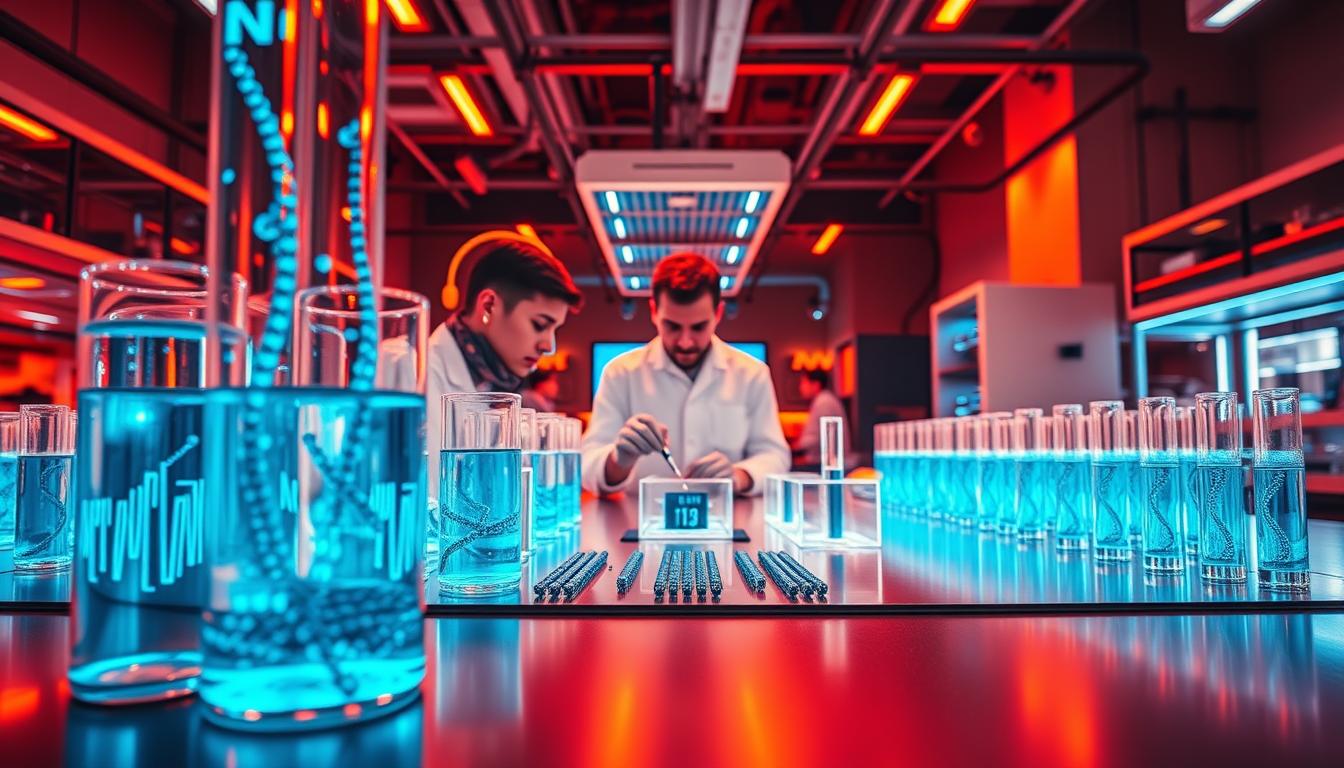

Germany is home to a thriving biotech scene, with numerous startups innovating in the fields of artificial DNA storage and molecular computing.
Companies like NunaBio and Invitris are making significant contributions to these emerging technologies. NunaBio is developing novel DNA synthesis methods, while Invitris specializes in universal technology platforms for producing synthetic proteins.
The significance of Germany’s biotech scene cannot be overstated, as it fosters an environment where startups can pioneer groundbreaking technologies.
Key Takeaways
- Germany’s biotech scene is thriving with numerous startups.
- NunaBio is developing novel DNA synthesis methods.
- Invitris specializes in universal technology platforms for synthetic proteins.
- Startups in Germany are pioneering artificial DNA storage.
- Molecular computing is another area where German startups are making an impact.
Introduction to Artificial DNA Storage and Molecular Computing
The advent of artificial DNA storage and molecular computing is revolutionizing the way we approach data management and processing. These innovative technologies are poised to address some of the most pressing challenges in the field of data storage and computing.
What is Artificial DNA Storage?
Artificial DNA storage involves using DNA molecules to store digital data. This method offers a promising solution for high-density data storage. DNA molecules can store vast amounts of data in a remarkably small space, making them an attractive alternative to traditional storage methods.
Key advantages of DNA storage include:
- High storage density
- Long-term data durability
- Low maintenance costs
| Storage Method | Storage Density | Data Durability |
|---|---|---|
| DNA Storage | Extremely High | Long-term |
| Traditional Storage | Limited | Short to Medium-term |
An Overview of Molecular Computing Concepts
Molecular computing leverages molecular interactions to perform computational tasks. This approach has the potential to revolutionize the field of computing by enabling parallel processing and reducing power consumption.
Molecular computing concepts include:
- Molecular logic gates
- Biochemical reactions for computation
- Parallel processing capabilities
As research in artificial DNA storage and molecular computing continues to advance, we can expect significant breakthroughs in data storage and processing. These technologies have the potential to transform various industries, from healthcare to finance, by providing more efficient and scalable solutions.
The Significance of Artificial DNA Storage
Germany’s startups are at the forefront of developing artificial DNA storage, a technology poised to transform data management. As the world grapples with the challenges of storing vast amounts of data, artificial DNA storage emerges as a revolutionary solution.
Higher storage density and lower energy consumption are among the key advantages of artificial DNA storage over traditional methods. According to recent studies, DNA storage can achieve densities of 1 exabyte per cubic centimeter, far surpassing the capabilities of conventional storage technologies.
Advantages Over Traditional Storage Methods
Artificial DNA storage offers several benefits, including:
- High storage density, enabling the storage of vast amounts of data in a compact form.
- Energy efficiency, as DNA storage requires significantly less energy compared to traditional data centers.
- Long-term data preservation, with DNA being a stable medium for storing data over extended periods.
As
“the potential for DNA storage to revolutionize data storage is vast, offering a sustainable and efficient solution for the future.”
This sentiment is echoed by industry experts who see DNA storage as a critical component in the future of data management.
Future Implications for Data Management
The implications of artificial DNA storage for data management are profound. With the ability to store large datasets in a compact and energy-efficient manner, industries ranging from healthcare to finance can benefit significantly.
For instance, in healthcare, DNA storage can be used to store vast amounts of genomic data, facilitating advancements in personalized medicine. Similarly, in finance, secure and efficient data storage can enhance data security and compliance.
As Germany’s startups continue to innovate in the field of artificial DNA storage, the potential for this technology to transform data management practices globally is substantial.
Key Players in Germany’s DNA Storage Sector
Germany’s biotech landscape is being reshaped by startups pioneering DNA storage solutions. The country is home to a number of innovative biotech startups that are developing novel DNA synthesis and storage technologies, positioning Germany at the forefront of this emerging field.
Innovators in DNA Storage Technology
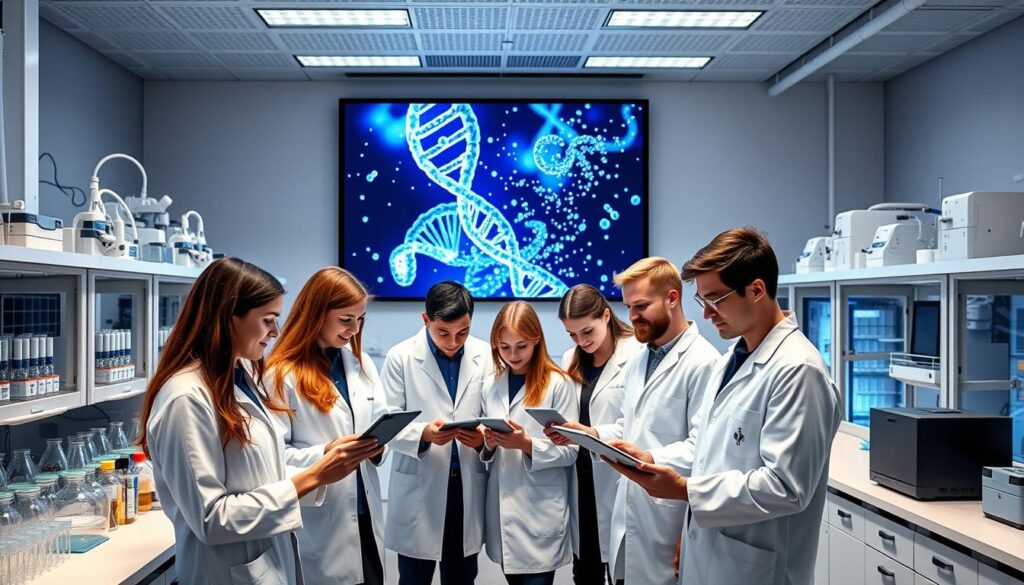
Several German startups are making significant contributions to the DNA storage sector. Companies like NunaBio and Biomemory are at the forefront of this innovation. NunaBio is developing cost-effective DNA synthesis methods, while Biomemory is working on DNA-based digital storage solutions.
The advancements in DNA storage technology are not limited to these companies alone. Other startups are also exploring various aspects of DNA storage, from synthesis to data retrieval, further solidifying Germany’s position in this field.
Profiles of Notable Companies
NunaBio is one such company that has gained recognition for its innovative approach to DNA synthesis. By developing more efficient and cost-effective methods, NunaBio is making DNA storage a more viable option for data storage needs.
Biomemory, on the other hand, is focusing on DNA-based digital storage solutions. Their technology has the potential to revolutionize the way data is stored, offering a sustainable and efficient alternative to traditional storage methods.
| Company | Focus Area | Notable Innovation |
|---|---|---|
| NunaBio | DNA Synthesis | Cost-effective DNA synthesis methods |
| Biomemory | DNA-based Digital Storage | DNA-based digital storage solutions |
The work being done by these companies highlights the potential of DNA storage technology and its applications. As these startups continue to innovate, they are likely to play a crucial role in shaping the future of data storage.
Pioneering Molecular Computing Firms in Germany
Pioneering molecular computing firms in Germany are revolutionizing the tech industry with their innovative approaches. Molecular computing, which involves using molecules to perform computations, has the potential to transform various industries, from computing to healthcare.
Overview of Upcoming Molecular Computing Startups
Germany is witnessing the emergence of molecular computing startups that are pushing the boundaries of this technology. These companies are developing innovative solutions that could significantly impact the future of computing. Some of the key areas of focus for these startups include developing more efficient algorithms for molecular computing and creating new hardware that can harness the power of molecular interactions.
One of the notable aspects of these startups is their ability to leverage advancements in fields like biochemistry and nanotechnology to drive innovation in molecular computing. This interdisciplinary approach is enabling the development of novel computing architectures that are not only faster but also more energy-efficient than traditional computing systems.
Noteworthy Innovations and Their Applications
The innovations being developed by molecular computing startups in Germany have a wide range of potential applications. For instance, molecular computing can enable parallel processing on a massive scale, allowing for the simultaneous execution of complex computations that would be challenging or impossible with traditional computing architectures.
Another significant advantage of molecular computing is its potential for low power consumption. By leveraging molecular interactions, these systems can perform computations using significantly less energy than traditional electronic computers, making them ideal for applications where energy efficiency is critical.
| Startup | Innovation | Potential Application |
|---|---|---|
| Startup A | Advanced molecular algorithms | Enhanced data processing |
| Startup B | Molecular computing hardware | Low-power computing devices |
| Startup C | Biochemical computing interfaces | Biomedical research and diagnostics |
The table above highlights some of the innovative startups in Germany, their areas of focus, and the potential applications of their technologies. As molecular computing continues to evolve, we can expect to see significant advancements in various fields, driven by the pioneering work of these startups.
Research Institutions Supporting Startups
In Germany, the synergy between research institutions and startups is driving advancements in Artificial DNA Storage and Molecular Computing. This collaboration is crucial for fostering innovation and turning cutting-edge research into viable technologies.
Academic-Industry Collaboration
Research institutions such as Forschungszentrum Jülich are at the forefront of supporting startups in the biotech sector. They facilitate collaboration between academia and industry, providing access to state-of-the-art facilities and expertise. This synergy enables startups to overcome technical challenges and accelerate their development processes.
For instance, the collaboration between research institutions and startups in Germany has led to significant advancements in DNA storage technology. By leveraging the expertise of researchers and the resources of institutions, startups can explore new applications and improve existing technologies.
Funding Opportunities
Emerging startups in Germany’s biotech sector have access to various funding opportunities. Research institutions often provide grants and collaborate with venture capital firms to invest in promising startups. This financial support is crucial for helping startups navigate the early stages of development and bring their innovations to market.
The following table highlights some of the key funding opportunities available to startups in the Artificial DNA Storage and Molecular Computing sectors:
| Funding Source | Description | Eligibility |
|---|---|---|
| Forschungszentrum Jülich Grants | Grants for research and development projects | Startups in biotech and related fields |
| German Biotechnology Fund | Investment fund for biotech startups | Early-stage biotech startups |
| European Innovation Council | Funding for innovative startups across Europe | Startups with innovative technologies |
The support from research institutions and the availability of funding opportunities are pivotal in driving the growth of startups in Germany’s Artificial DNA Storage and Molecular Computing sectors. As these technologies continue to evolve, the collaboration between academia, industry, and investors will remain essential for their advancement.
Challenges in Artificial DNA Storage
Artificial DNA storage, despite its vast potential, encounters numerous challenges that need to be addressed. As this technology continues to evolve, understanding and overcoming these hurdles is crucial for its widespread adoption.
Technical Hurdles and Limitations
One of the primary challenges facing artificial DNA storage is the technical hurdle associated with DNA synthesis and sequencing. Error rates in DNA synthesis and the complexity of sequencing technologies pose significant barriers. Additionally, the process of data retrieval from DNA storage is not as straightforward as traditional storage methods, requiring sophisticated techniques to read and decode the stored data.
The limitations in storage density and the speed of data retrieval also need to be addressed. Currently, the cost and efficiency of DNA synthesis and sequencing technologies are not on par with traditional digital storage solutions, making it less competitive in the market.
| Technical Challenge | Description | Potential Impact |
|---|---|---|
| Error Rates in DNA Synthesis | High error rates during the synthesis process can lead to data corruption. | Reliability and integrity of stored data are compromised. |
| Sequencing Complexity | The process of sequencing DNA to retrieve data is complex and time-consuming. | Slows down data access and retrieval times. |
| Storage Density Limitations | Current limitations in how much data can be stored in DNA. | Restricts the scalability of DNA storage solutions. |
Market Acceptance and Adoption Barriers
Beyond the technical challenges, artificial DNA storage faces significant market acceptance and adoption barriers. The need for standardization in DNA storage technologies is paramount to ensure compatibility and interoperability across different platforms.
Moreover, regulatory frameworks governing the use of DNA for data storage are still in the early stages of development. Clear regulatory guidelines are necessary to provide a stable environment for investors and companies to invest in this technology.
The path forward for artificial DNA storage involves not only advancing the technology to overcome technical hurdles but also addressing the market and regulatory challenges. By doing so, this innovative storage solution can realize its potential and contribute significantly to the future of data management.
Regulatory Considerations for DNA Storage Startups
The burgeoning DNA storage industry in Germany is heavily influenced by regulatory considerations, including laws on data privacy, intellectual property, and biotechnological innovations. As this innovative technology continues to evolve, understanding and complying with these regulations will be crucial for the success of DNA storage startups.
Existing Legislative Framework
DNA storage startups in Germany must navigate a complex regulatory landscape that includes laws related to data protection, intellectual property, and biotechnology. The General Data Protection Regulation (GDPR) is a key piece of legislation that affects how these startups handle and store data. Compliance with GDPR is mandatory, and it requires startups to implement robust data protection measures.
Another critical aspect is intellectual property (IP) protection. DNA storage technology involves innovative processes and products, and protecting IP rights is essential for maintaining a competitive edge. Startups must be aware of patent laws and regulations regarding biotechnological inventions.
| Regulatory Area | Description | Impact on DNA Storage Startups |
|---|---|---|
| Data Protection | GDPR compliance | Implement robust data protection measures |
| Intellectual Property | Patent laws for biotech inventions | Protect IP rights for competitive edge |
| Biotechnology | Regulations on biotech products and processes | Ensure compliance with biotech laws |
Future Regulatory Trends
As DNA storage technology advances, regulatory frameworks are likely to evolve. Startups should anticipate future trends, such as more stringent data protection requirements and new guidelines for biotechnological innovations. Staying informed about these developments will be crucial for long-term success.
Regulatory sandboxes are an emerging concept that could benefit DNA storage startups. These are environments where startups can test their products and services without being subject to the full weight of regulation, allowing for innovation while still maintaining regulatory oversight.
In conclusion, DNA storage startups in Germany must be proactive in understanding and complying with the current regulatory landscape while also keeping an eye on future trends. This proactive approach will enable them to navigate the complex legal environment effectively and capitalize on the opportunities presented by this innovative technology.
The Role of Investors in DNA Storage and Molecular Computing
Investor attention is focusing on the innovative DNA storage and molecular computing startups emerging in Germany. The country’s robust tech ecosystem, coupled with significant advancements in biotechnology, has created an attractive environment for investors looking to capitalize on the potential of these cutting-edge technologies.
Key Venture Capital Firms in Germany
Several key venture capital firms in Germany are actively investing in DNA storage and molecular computing startups. These include:
- High-Tech Gründerfonds (HTGF): Focused on early-stage investments in high-tech startups, including those in the biotech sector.
- BioMedPartners: Specializes in investing in innovative biotech and healthcare companies.
- Lauder Bioholding: Invests in life sciences and biotechnology companies with high growth potential.
Investment Trends in Biotech Startups
The investment landscape for biotech startups, particularly those focused on DNA storage and molecular computing, is evolving rapidly. Trends include:
- Increased focus on synthetic biology and its applications in data storage.
- Growing interest in molecular computing as a potential successor to traditional computing methods.
- Rise in collaborative investments between venture capital firms and corporate investors.
These trends indicate a robust and growing interest in the potential of DNA storage and molecular computing technologies to transform various industries.
Future Trends in Artificial DNA Storage and Molecular Computing
Germany is at the forefront of a technological revolution, with startups pioneering advancements in artificial DNA storage and molecular computing. As these technologies continue to evolve, we can expect significant breakthroughs that will transform various industries.
Technological Advancements on the Horizon
The future of artificial DNA storage is bright, with expected advancements in data density and retrieval speeds. According to
“The potential for DNA storage to become a mainstream technology is vast, given its capacity for high-density data storage,”
said by a leading expert in the field. Innovations in molecular computing are also anticipated, with improvements in processing power and efficiency.
Key areas of development include:
- Enhanced data storage density
- Faster data retrieval mechanisms
- More efficient molecular computing architectures
Predictions for Market Growth
The market for artificial DNA storage and molecular computing is poised for substantial growth, driven by the demand for innovative data storage solutions and advanced computing capabilities. Investors are taking notice, with venture capital firms increasingly investing in biotech startups that are pushing the boundaries of these technologies.
As noted by a recent report,
“The global DNA storage market is expected to witness a compound annual growth rate (CAGR) of over 25% in the next five years.”
This growth will be fueled by the adoption of DNA storage solutions in various sectors, including data centers and research institutions.
The synergy between artificial DNA storage and molecular computing will create new opportunities for startups in Germany, positioning them at the forefront of the biotech industry. As these technologies mature, we can expect to see new applications emerge, further driving market growth.
Conclusion: The Future of Startups in Germany’s DNA and Molecular Tech Landscape
Germany’s biotech sector is poised for significant growth, driven by innovations in DNA storage and molecular computing. As startups continue to emerge and mature, the country is likely to remain a hub for these technologies, driving advancements and adoption.
The future of DNA storage in Germany looks promising, with leading startups innovating and pushing the boundaries of what is possible. Biotech startups are at the forefront of this revolution, leveraging the potential of DNA storage to transform data management.
With a strong biotech ecosystem and continued investment in emerging technologies, Germany is well-positioned to lead the way in DNA storage and molecular computing. As these technologies continue to evolve, we can expect to see new applications and innovations emerge, further solidifying Germany’s position as a hub for biotech startups.
FAQ
What is artificial DNA storage, and how does it work?
Artificial DNA storage is a method of storing digital data in the form of DNA molecules. It works by converting binary data into a DNA sequence, which is then synthesized and stored. This technology offers high-density storage and durability, making it a promising solution for data management.
What are the advantages of molecular computing over traditional computing methods?
Molecular computing offers several advantages, including parallel processing capabilities, low power consumption, and the potential for miniaturization. These characteristics make molecular computing an attractive solution for applications requiring high-performance computing and energy efficiency.
Which startups in Germany are pioneering artificial DNA storage and molecular computing?
Startups such as NunaBio and Biomemory are at the forefront of DNA storage technology in Germany. NunaBio is developing novel DNA synthesis methods, while Biomemory is working on DNA-based digital storage solutions. Invitris is another notable startup, specializing in universal technology platforms for producing synthetic proteins.
What are the technical hurdles and limitations facing artificial DNA storage?
Artificial DNA storage faces technical challenges such as error rates in DNA synthesis and sequencing, as well as limitations related to data retrieval and storage density. These issues need to be addressed to improve the efficiency and reliability of DNA storage technology.
What regulatory considerations must DNA storage startups in Germany comply with?
DNA storage startups in Germany must comply with regulations related to data protection, intellectual property, and biotechnology. Existing legislation and future regulatory trends will play a crucial role in shaping the industry, and startups must stay informed to ensure their success.
How are investors supporting DNA storage and molecular computing startups in Germany?
Investors, including key venture capital firms, are providing crucial funding to DNA storage and molecular computing startups in Germany. Investment trends indicate a growing interest in synthetic biology and molecular computing, driving innovation and growth in the biotech sector.
What are the expected technological advancements in artificial DNA storage and molecular computing?
Future technological advancements are expected to improve the efficiency, density, and reliability of DNA storage, as well as the processing capabilities of molecular computing. These developments will drive market growth and enable the widespread adoption of these technologies.
How will artificial DNA storage and molecular computing transform various industries?
Artificial DNA storage and molecular computing have the potential to transform industries such as data storage, computing, healthcare, and finance. By enabling the storage of large datasets and providing high-performance computing capabilities, these technologies will drive innovation and growth in various sectors.