


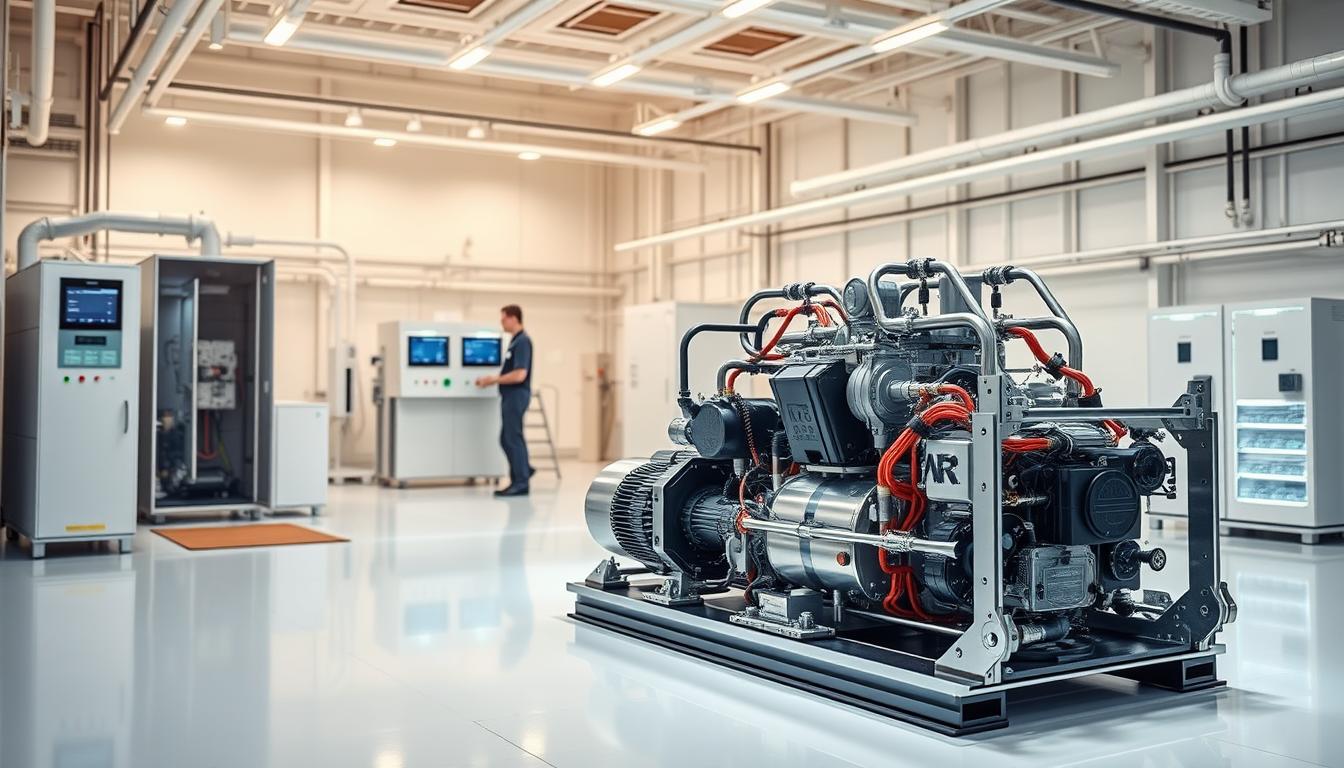

As the world shifts towards a more sustainable energy future, mastering hybrid fuel cell systems is becoming increasingly important. Germany, a leader in renewable energy, is at the forefront of this technological advancement. Hybrid fuel cell systems offer a promising solution by combining different energy sources to achieve higher efficiency and reduced emissions.
The integration of hybrid energy systems in Germany is crucial for achieving a sustainable energy mix. By leveraging these systems, Germany can reduce its reliance on fossil fuels and move closer to its climate goals.
Key Takeaways
- Hybrid fuel cell systems are crucial for a sustainable energy future.
- Germany is a leader in the adoption of hybrid energy systems.
- These systems offer higher efficiency and reduced emissions.
- Mastering hybrid fuel cell technology is key to achieving climate goals.
- Hybrid energy systems can reduce reliance on fossil fuels.
Introduction to Advanced Hybrid Energy Sources
Hybrid energy sources are at the forefront of innovation in the quest for sustainable energy solutions. As the world grapples with the challenges of climate change and energy security, the importance of developing and integrating advanced hybrid energy systems cannot be overstated.
Definition of Hybrid Energy Systems
Hybrid energy systems combine different energy sources and storage technologies to provide a reliable and efficient energy supply. These systems can integrate various renewable energy sources, such as solar and wind power, with traditional energy sources and energy storage solutions like batteries. The flexibility of hybrid energy systems makes them particularly suitable for addressing the intermittency of renewable energy sources.
The key to a successful hybrid energy system lies in its ability to optimize energy production and consumption. By leveraging the strengths of different energy sources, these systems can enhance energy security, reduce emissions, and improve overall energy efficiency.
Importance of Fuel Cells in Energy Transition
Fuel cells are a critical component in the transition to a more sustainable energy future. They offer a promising technology path towards emission-free mobility and energy production. For instance, AVL’s PEM fuel cell engineering competence is a notable example of the industry’s efforts to develop this technology. Fuel cells work by converting chemical energy into electrical energy, providing a clean and efficient source of power.
The importance of fuel cells in the energy transition can be seen in several areas:
- Emission Reduction: Fuel cells produce only water and heat as byproducts, making them an attractive alternative to traditional fossil fuel-based energy sources.
- Energy Efficiency: Fuel cells can achieve higher efficiency compared to traditional energy conversion technologies.
- Flexibility: Fuel cells can be used in a variety of applications, from transportation to stationary power generation.
As the world continues to move towards a more sustainable energy future, the role of fuel cells and hybrid energy systems will become increasingly important. By understanding and developing these technologies, we can create a cleaner, more efficient energy landscape.
Overview of Fuel Cell Technology
Fuel cells are emerging as a critical component of Germany’s clean energy strategy. As the country continues its transition towards a more sustainable energy mix, the role of fuel cells is becoming increasingly significant.
How Fuel Cells Work
Fuel cells are devices that convert chemical energy into electrical energy. They work by combining hydrogen with oxygen to produce electricity, water, and heat. This process is not only clean but also efficient, making fuel cells an attractive option for various applications.
“The beauty of fuel cells lies in their simplicity and efficiency,” says an expert in the field. “They offer a promising solution for reducing our reliance on fossil fuels.”
Types of Fuel Cells Used in Germany
Germany is utilizing various types of fuel cells, with PEM (Proton Exchange Membrane) fuel cells being particularly promising for future emission-free mobility. According to AVL, a key player in PEM fuel cell engineering, this technology is set to play a significant role in Germany’s energy transition.
The use of PEM fuel cells is highlighted due to their high efficiency and low operating temperature, making them suitable for a wide range of applications, from transportation to stationary power generation.
- PEM fuel cells are known for their high power density.
- They offer quick start-up times, making them ideal for automotive applications.
- Their low operating temperature allows for faster start-ups and less wear on the system.
As Germany continues to invest in clean energy technologies, the adoption of fuel cells is expected to grow, contributing to a more sustainable energy future.
The Role of Hybrid Systems in Energy Efficiency
Hybrid energy systems play a pivotal role in enhancing energy efficiency across various sectors. By integrating different energy sources and technologies, these systems offer a comprehensive solution to the challenges of energy consumption and production.
The Verband Deutscher Maschinen- und Anlagenbau (VDMA) has emphasized the importance of new drive technologies and transportation solutions in achieving energy efficiency. Their discussions highlight the potential of hybrid systems in reducing energy waste and optimizing energy use.
Benefits of Hybrid Systems
Hybrid systems offer several benefits, including improved energy efficiency, reduced emissions, and enhanced reliability. By combining different energy sources, such as solar, wind, and fuel cells, these systems can provide a stable and efficient energy supply.
- Enhanced energy security through diversified energy sources
- Reduced greenhouse gas emissions through the use of cleaner energy sources
- Improved energy efficiency through optimized energy production and consumption
The benefits of hybrid systems are further illustrated in the following table, which compares the energy efficiency of different energy systems:
| Energy System | Energy Efficiency | Emissions Reduction |
|---|---|---|
| Conventional Fossil Fuel | 30-40% | Low |
| Hybrid Energy System | 60-80% | High |
| Renewable Energy System | 80-90% | Very High |
Complementary Energy Sources
Hybrid systems often combine different energy sources to achieve optimal energy efficiency. For instance, pairing solar energy with fuel cells can provide a reliable and efficient energy supply. The integration of these complementary energy sources is crucial for maximizing the benefits of hybrid systems.
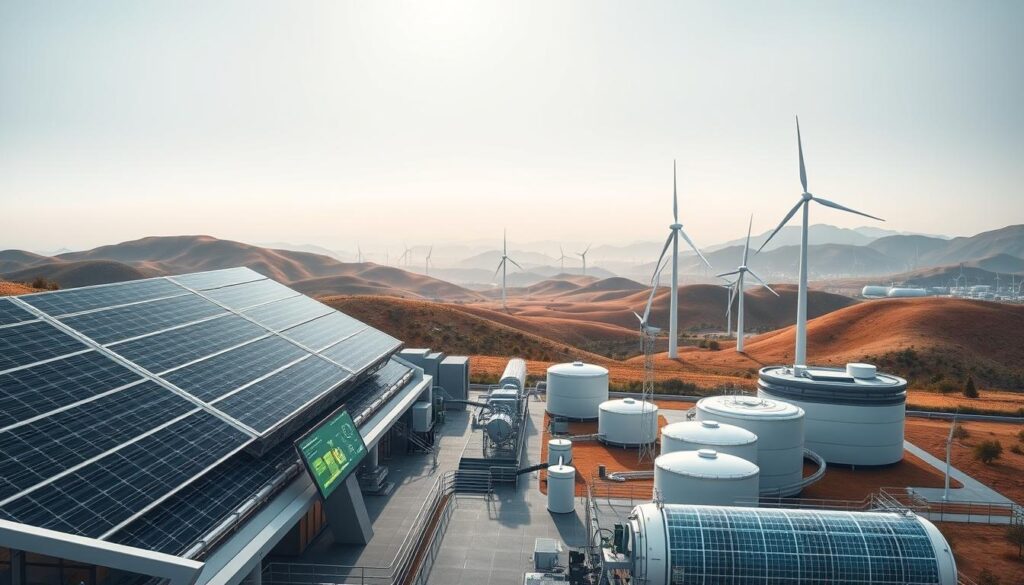
By understanding the role of hybrid systems in energy efficiency, we can better appreciate the potential of these systems in achieving a more sustainable energy future. As Germany continues to invest in renewable energy infrastructure, the importance of hybrid systems will only continue to grow.
Germany’s Commitment to Renewable Energy
As a leader in the global energy transition, Germany is dedicated to advancing Renewable Energy Solutions. The country’s commitment to reducing its carbon footprint is evident in its robust policies and investments in green energy technologies.
National Policies Supporting Fuel Cell Development
Germany’s national policies play a crucial role in supporting the development of fuel cell technology. The government has implemented various initiatives aimed at promoting the adoption of fuel cells in both the transportation and stationary power generation sectors. For instance, the “National Hydrogen Strategy” outlines a comprehensive plan to develop hydrogen infrastructure, which is critical for fuel cell applications.
The policy framework includes incentives for businesses and individuals to invest in fuel cell technology, such as tax benefits, grants, and subsidies. These measures are designed to accelerate the transition to a more sustainable energy mix and reduce dependence on fossil fuels. For more insights on Germany’s energy future, visit this resource for a detailed analysis.
Investment in Renewable Energy Infrastructure
Germany is also making significant investments in renewable energy infrastructure to support the growth of fuel cell technology. This includes the development of hydrogen production facilities, expansion of charging infrastructure for fuel cell vehicles, and upgrading existing power grids to accommodate decentralized energy generation.
The investment in renewable energy infrastructure not only supports the adoption of fuel cells but also contributes to the overall goal of achieving a sustainable energy future. By enhancing the infrastructure, Germany is creating a conducive environment for businesses and innovators to develop and deploy fuel cell technologies, thereby driving Green Energy Innovation.
Key Players in Germany’s Fuel Cell Market
Key players in Germany’s fuel cell market are contributing to the advancement of alternative energy sources. The country’s strong commitment to renewable energy has fostered an environment where companies and research institutions can thrive and innovate in the fuel cell technology sector.
Industry Leaders and Innovators
Germany is home to several industry leaders and innovators in the fuel cell market. Companies like AVL are at the forefront, providing PEM fuel cell engineering competence that is crucial for the development of efficient fuel cell systems. VDMA, representing the machinery and equipment manufacturing industry, plays a significant role in promoting the integration of fuel cell technology into various industrial applications.
Some of the key activities of these industry leaders include:
- Research and development of new fuel cell technologies
- Enhancement of existing fuel cell systems for better efficiency and durability
- Collaboration with academic institutions for innovative solutions
Academic Collaborations
Academic collaborations are vital for the advancement of fuel cell technology in Germany. Universities and research institutions work closely with industry players to develop new technologies and improve existing ones. These collaborations often result in innovative solutions that drive the fuel cell market forward.
The synergy between industry and academia is exemplified by the work done in German research institutions, where scientists and engineers focus on overcoming the technical challenges associated with fuel cell technology. This collaborative effort is crucial for the continued growth and success of the fuel cell market in Germany.
Some notable aspects of these collaborations include:
- Joint research projects on advanced fuel cell materials
- Development of new manufacturing techniques for fuel cell components
- Training and education programs for the next generation of fuel cell engineers
Case Studies of Successful Hybrid Fuel Cell Implementations
Successful implementations of hybrid fuel cell systems in Germany have paved the way for a more sustainable energy future. These systems have been integrated into various sectors, showcasing their versatility and potential for widespread adoption.
Transportation Sector Examples
The transportation sector has seen significant advancements with the adoption of hybrid fuel cell technology. For instance, Alstom’s Coradia iLint, the world’s first hydrogen-powered train, has been operating in Germany since 2018. This train emits only water vapor and heat, making it an environmentally friendly alternative to traditional diesel trains.
“The Coradia iLint is a revolutionary step towards sustainable transportation. Its hydrogen fuel cell technology ensures a clean and quiet operation, making it ideal for future rail transport.”
Another example is the use of fuel cell buses in public transportation. Cities like Hamburg and Cologne have incorporated these buses into their fleets, reducing emissions and improving air quality.
| City | Number of Fuel Cell Buses | Reduction in CO2 Emissions |
|---|---|---|
| Hamburg | 100 | 2,500 tons/year |
| Cologne | 50 | 1,200 tons/year |
Applications in Industrial Settings
Hybrid fuel cell systems are also being utilized in industrial settings to provide reliable and clean energy. For example, Siemens has implemented fuel cell technology in its manufacturing processes, reducing reliance on traditional energy sources and lowering carbon emissions.
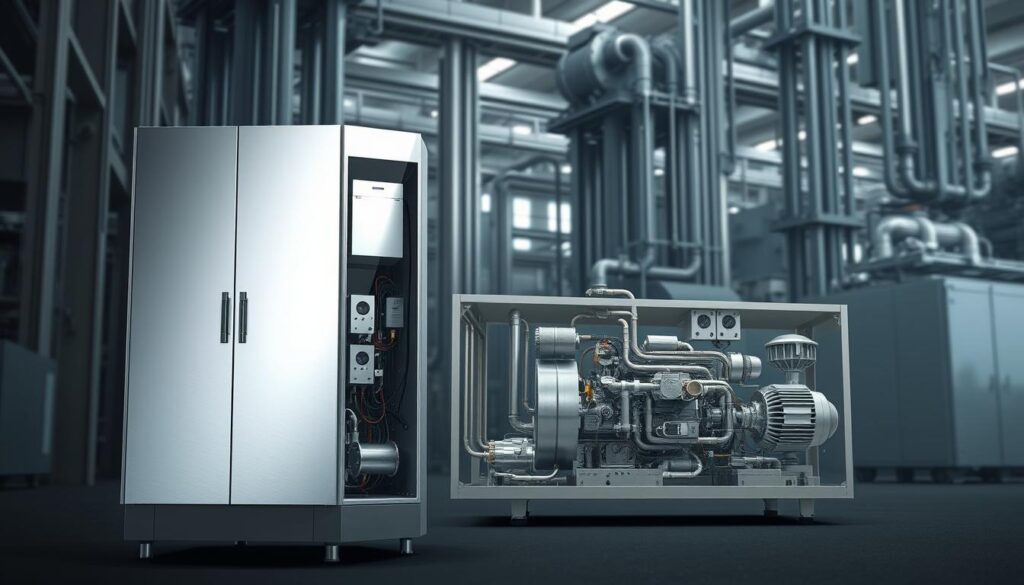
Additionally, companies like BMW are using fuel cell technology in their manufacturing facilities to power equipment and vehicles, further reducing their carbon footprint.
- Improved energy efficiency
- Reduced greenhouse gas emissions
- Enhanced reliability and flexibility
These case studies demonstrate the potential of hybrid fuel cell systems in various applications, from transportation to industrial settings, contributing to a more sustainable energy future in Germany.
Challenges Faced by Fuel Cell Technologies in Germany
Fuel cell technology, a crucial component of Germany’s energy transition, faces numerous barriers to its successful integration into the energy market. As the country continues to invest in clean energy solutions, understanding these challenges is essential for developing effective strategies to overcome them.
Technical and Economic Barriers
One of the significant challenges facing fuel cell technologies in Germany is the technical and economic barriers. The high cost of production, coupled with the complexity of fuel cell systems, makes them less competitive compared to traditional energy sources.
- The need for expensive materials, such as platinum, drives up production costs.
- Limited durability and lifespan of fuel cells affect their overall efficiency and cost-effectiveness.
- Infrastructure for hydrogen refueling is still underdeveloped, limiting the adoption of fuel cell vehicles.
Economic barriers also play a crucial role. The initial investment required for fuel cell technology is substantial, making it challenging for small and medium-sized enterprises to adopt this technology.
Key economic barriers include:
- High upfront costs for fuel cell systems.
- Lack of economies of scale due to limited production volumes.
- Uncertain regulatory frameworks affecting investment decisions.
Public Perception and Acceptance Issues
Public perception and acceptance are critical factors influencing the adoption of fuel cell technologies. Despite the benefits of clean energy, there is often skepticism about new technologies.
Some of the public perception issues include:
- Misconceptions about the safety and efficiency of fuel cells.
- Lack of awareness about the environmental benefits of fuel cell technology.
- Concerns about the hydrogen infrastructure and its implications.
Addressing these concerns through education and awareness campaigns can help improve public acceptance. Moreover, demonstrating the real-world applications and benefits of fuel cell technology can foster greater acceptance.
By understanding and addressing these challenges, Germany can pave the way for the successful integration of fuel cell technologies into its energy mix, enhancing its clean energy landscape and achieving its energy efficiency solutions.
Future Trends in Hybrid Fuel Cell Technology
Hybrid fuel cell technology is on the cusp of a revolution, driven by innovative research and development in Germany. As the country continues to lead the charge in green energy innovation, advancements in hybrid fuel cell systems are expected to play a crucial role in the energy transition.
Emerging Research and Innovations
Recent studies have highlighted significant breakthroughs in fuel cell technology, including improvements in efficiency and durability. For instance, researchers are exploring new materials and designs that could enhance the performance of fuel cells. Advanced membrane technologies and more efficient catalysts are among the innovations being developed.
The integration of artificial intelligence (AI) and machine learning (ML) in fuel cell research is also gaining traction. These technologies are being used to optimize fuel cell performance, predict maintenance needs, and improve overall system reliability.
Predictions for Market Growth in Germany
The market for hybrid fuel cell technology in Germany is poised for substantial growth. According to industry forecasts, the demand for fuel cell systems is expected to increase significantly over the next decade, driven by government incentives and declining technology costs.
| Year | Projected Market Size (Million €) | Growth Rate (%) |
|---|---|---|
| 2025 | 500 | 10 |
| 2030 | 1200 | 15 |
| 2035 | 2500 | 20 |
As the market grows, we can expect to see increased adoption of hybrid fuel cell systems in various sectors, including transportation and industrial applications. This growth will be supported by ongoing research and development, as well as investments in infrastructure.
Environmental Impact of Hybrid Fuel Cell Systems
Germany’s commitment to hybrid fuel cell technology is driven by its potential to minimize carbon footprint and promote renewable energy solutions. As the country transitions towards a more sustainable energy mix, the role of hybrid fuel cell systems becomes increasingly significant.
Hybrid fuel cell systems offer a cleaner alternative to traditional energy sources, significantly reducing greenhouse gas emissions. According to a recent study, the adoption of fuel cell technology in Germany could lead to a substantial decrease in CO2 emissions, contributing to a cleaner environment.
Carbon Footprint Reduction
The integration of hybrid fuel cell systems into Germany’s energy infrastructure is a key strategy for reducing carbon footprint. These systems provide a efficient way to generate power and heat, minimizing the reliance on fossil fuels and lowering emissions.
“The use of hybrid fuel cell systems represents a significant step forward in our efforts to reduce carbon emissions and achieve our climate goals.”
A comparative analysis of different energy systems reveals the advantages of hybrid fuel cell technology in terms of carbon footprint reduction.
| Energy System | CO2 Emissions (g/kWh) | Efficiency (%) |
|---|---|---|
| Hybrid Fuel Cell | 250 | 60 |
| Conventional Fossil Fuel | 500 | 40 |
| Renewable Energy Sources | 0 | 100 |
Sustainable Energy Solutions
Hybrid fuel cell systems are not only reducing carbon footprint but also promoting sustainable energy solutions. By providing a reliable and efficient source of power, these systems support the integration of renewable energy sources into the grid.
Sustainable benefits of hybrid fuel cell systems include:
- Enhanced energy security
- Reduced dependence on fossil fuels
- Improved air quality
The future of energy in Germany looks promising with the continued adoption of hybrid fuel cell technology. As the country strives to meet its renewable energy targets, the role of these systems will be crucial.
Conclusion: The Path Forward for Hybrid Fuel Cell Systems
Germany’s commitment to renewable energy and reducing carbon emissions has positioned hybrid fuel cell systems as a crucial component in the country’s energy transition. Advanced Hybrid Energy Source (Fuel Cell) Systems in Germany are being developed to enhance energy efficiency and reduce reliance on fossil fuels.
Key Developments and Future Prospects
The integration of Hybrid Energy Systems in various sectors, including transportation and industry, has shown significant promise. As technology continues to evolve, innovations in fuel cell systems are expected to drive further adoption.
Investment and Innovation
Continued investment in research and development, along with supportive national policies, will be vital in overcoming the technical and economic barriers associated with hybrid fuel cell systems. As Germany moves forward, the potential for Hybrid Energy Systems to contribute to a more sustainable energy landscape is substantial.
FAQ
What are hybrid fuel cell systems, and how do they work?
Hybrid fuel cell systems combine different energy sources, such as fuel cells, solar panels, and batteries, to provide a reliable and efficient energy supply. They work by integrating multiple energy generation and storage technologies to optimize energy efficiency and reduce emissions.
What is the role of fuel cells in the energy transition in Germany?
Fuel cells play a crucial role in the energy transition in Germany by providing a clean and efficient source of energy. They can be used to power vehicles, generate electricity, and provide heat, reducing reliance on fossil fuels and lowering emissions.
What types of fuel cells are used in Germany, and what are their advantages?
Germany utilizes various types of fuel cells, including proton exchange membrane (PEM) fuel cells, solid oxide fuel cells (SOFC), and alkaline fuel cells. Each type has its advantages, such as high efficiency, flexibility, and durability, making them suitable for different applications.
How do hybrid systems enhance energy efficiency, and what are their benefits?
Hybrid systems enhance energy efficiency by combining different energy sources and optimizing energy generation and storage. The benefits include improved energy reliability, reduced energy waste, and lower emissions, making them an attractive solution for various applications.
What is Germany’s commitment to renewable energy, and how does it support fuel cell development?
Germany has made a significant commitment to renewable energy, with policies and investments aimed at promoting the development and adoption of clean energy technologies, including fuel cells. The government has implemented initiatives to support research, development, and deployment of fuel cell technology.
Who are the key players in Germany’s fuel cell market, and what are their contributions?
Key players in Germany’s fuel cell market include industry leaders, innovators, and academic institutions. They are driving the development of fuel cell technology through research, development, and deployment of fuel cell systems, as well as collaborations and partnerships.
What are some successful examples of hybrid fuel cell implementations in Germany?
Successful examples of hybrid fuel cell implementations in Germany can be seen in the transportation sector, such as fuel cell buses and trucks, as well as in industrial settings, where fuel cells are used to provide power and heat. These implementations demonstrate the potential of hybrid fuel cell systems to reduce emissions and improve energy efficiency.
What are the challenges faced by fuel cell technologies in Germany, and how can they be addressed?
Fuel cell technologies in Germany face technical and economic barriers, as well as public perception and acceptance issues. To address these challenges, continued research and development, investment in infrastructure, and public education and awareness campaigns are necessary.
What are the future trends in hybrid fuel cell technology, and how will they impact the energy landscape in Germany?
Emerging research and innovations in hybrid fuel cell technology are expected to drive market growth in Germany, with potential applications in various sectors. Future trends will likely include advancements in fuel cell efficiency, cost reductions, and increased adoption of hybrid systems, leading to a more sustainable energy landscape.
What is the environmental impact of hybrid fuel cell systems, and how do they contribute to a sustainable energy future?
Hybrid fuel cell systems have a positive environmental impact by reducing carbon footprint and promoting sustainable energy solutions. By combining different energy sources and optimizing energy efficiency, hybrid systems can help mitigate climate change and support a transition to a more sustainable energy future.
How do Green Energy Innovation and Clean Energy Technology relate to hybrid fuel cell systems in Germany?
Green Energy Innovation and Clean Energy Technology are crucial for the development and deployment of hybrid fuel cell systems in Germany. They enable the creation of more efficient, cost-effective, and sustainable energy solutions, driving the transition to a low-carbon economy.
What is the significance of Alternative Energy Sources in the context of hybrid fuel cell systems?
Alternative Energy Sources, such as solar and wind power, play a vital role in hybrid fuel cell systems by providing a clean and renewable source of energy. By integrating alternative energy sources with fuel cells, hybrid systems can optimize energy efficiency and reduce reliance on fossil fuels.
How do Energy Efficiency Solutions contribute to the effectiveness of hybrid fuel cell systems?
Energy Efficiency Solutions are essential for optimizing the performance of hybrid fuel cell systems. By minimizing energy waste and maximizing energy efficiency, these solutions enable hybrid systems to provide a reliable and efficient energy supply, reducing emissions and costs.